.png)
Aquarium Landscaping Tips: Make Your Fish Swim Happier!
Fishkeeping isn't just about putting fish into water. If you want your fish to stay healthy and happy, aquarium landscaping is absolute key! Many beginners often overlook this point, assuming that feeding is enough, only to leave their fish swimming aimlessly in an empty tank, looking listless. In fact, a thoughtfully decorated aquarium not only gives ornamental fish a sense of security, but also allows you to enjoy the soothing power of nature right at home. Today, we're sharing some simple and practical landscaping tips to turn your tank into the most beautiful scenery in your home!
 Why Is Aquarium Landscaping So Important?
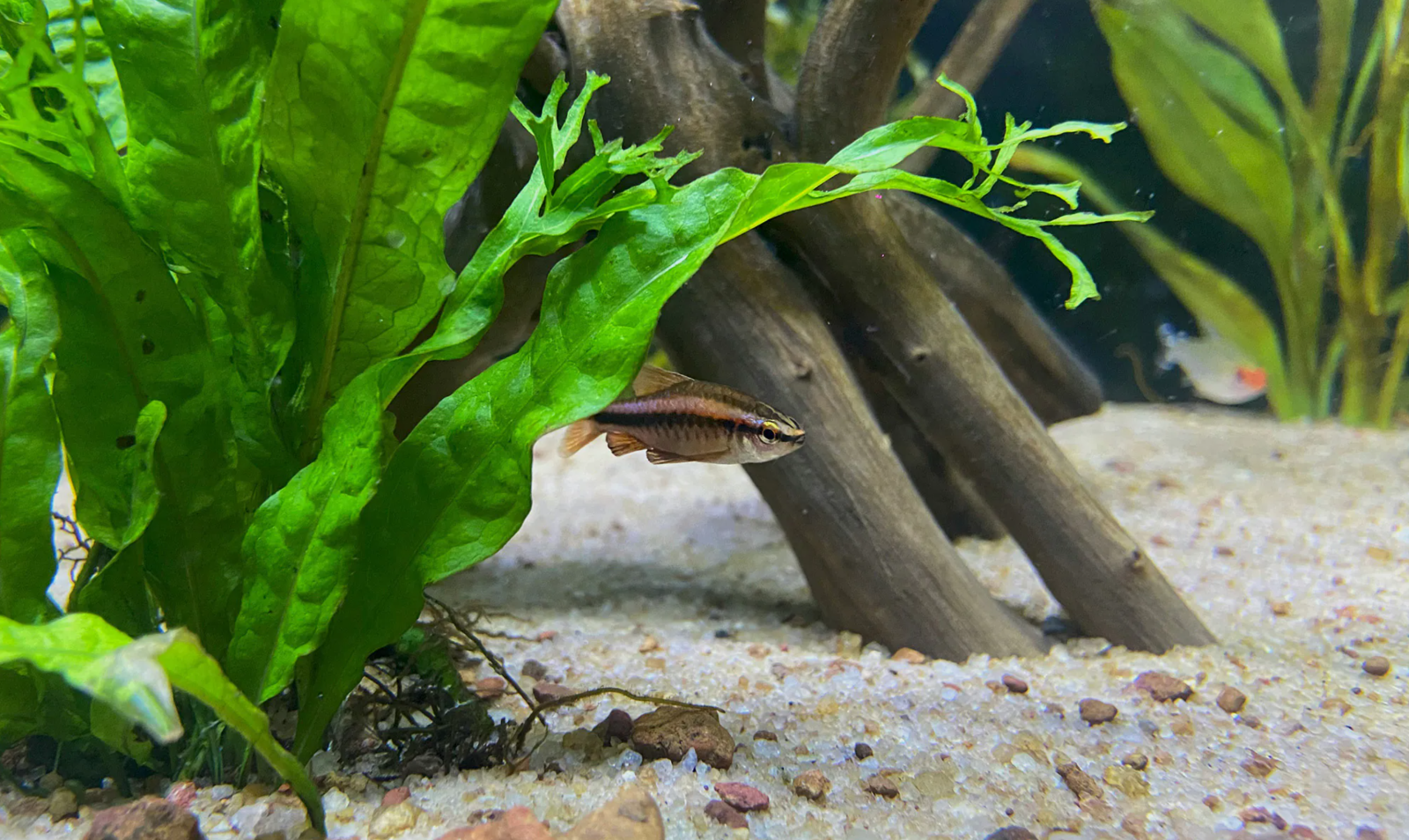
Many people think aquarium layout is just for looks, but landscaping actually offers many practical benefits for fish. In the wild, fish are used to living around shelters, aquatic plants, and rocks, where natural barriers provide safety. Recreating these elements in your aquarium helps fish feel more at ease and display more natural, graceful swimming behaviors.
Additionally, good aquascaping helps maintain water balance. Aquatic plants absorb harmful waste produced by fish and increase oxygen levels in the water. Suitable substrates and rocks provide surface area for beneficial bacteria to grow, establishing a strong biological filtration system. As a result, you won't need to change the water as frequently, and your fish can thrive in a more stable environment.
Essential Landscaping Elements for Beginners
Choosing the Right Substrate
Aquarium substrate is the foundation of landscaping and a place where beginners frequently make mistakes. Generally, fine-grain aquarium sand works best for most ornamental fish, and choosing darker colors makes fish colors pop. If you plan to grow live plants, remember to choose aqua-soil or specialized plant substrate so plants can grow healthily.
When laying substrate, use a "thin in the front, thick in the back" approach to create depth and facilitate easy cleaning and maintenance. A recommended substrate depth is between 3–5 cm; too thin makes it hard for plants to root, while too thick can create an anaerobic environment.
Golden Rules of Aquatic Plant Placement
Plant layout acts like magic for beautifying your tank! Beginners can start with simple, low-maintenance plants like Egeria densa (Waterweed), Riccia fluitans (Crystalwort), or Anubias nana. Remember the principle of "short foreground, layered midground, tall background" to create visual depth:
- Foreground: Choose Eleocharis acicularis (Hairgrass) or Hemianthus callitrichoides (Dwarf Baby Tears) to create a lawn effect.
- Midground: Pair with bushy plants like Mayaca fluviatilis (Bog Moss) or Rotala macrandra.
- Background: Use tall plants like Egeria densa or Ceratophyllum demersum (Hornwort).
This combination looks visually appealing while offering activity spaces at different water depths for your fish.
Adding Natural Flair with Driftwood and Rocks
Driftwood and rocks are vital elements for creating a natural atmosphere. Driftwood not only looks great, but also releases humic acid, which benefits certain fish species by mimicking their natural habitat. Choose pieces whose shape and size are proportional to your tank, avoiding sharp or overly complex shapes.
Rock selection is equally important—Dragon Stone (Ohko Stone) and Seiryu Stone are popular choices. Use the "Triangular Composition Technique" by picking one dominant main stone paired with two supporting stones to form a scalene triangle layout for a natural, dynamic look.
Landscaping Techniques for Different Fish Species
Vibrant Worlds for Tropical Fish
If you keep tropical fish like Guppies or Angelfish, you can design a rich and colorful landscape. These species enjoy swimming near shelter, so adding plants and decorations helps them feel secure.
Tropical fish require warmer water temperatures, so leave space for heaters and filters during setup without disrupting the visual aesthetics. Tall plants or stylishly designed heaters can be used to conceal equipment.
Minimalist Style for Goldfish
Goldfish are relatively easy to care for, but remember that they like to dig up substrate. Choose larger grain sizes to prevent them from stirring up debris. For plants, pick sturdy species with thick leaves, or opt for artificial plants instead.
Goldfish thrive in cleaner, minimalist landscapes: one or two nicely shaped stones paired with durable plants create a classic, elegant vibe. Always ensure ample swimming space rather than overcrowding the tank.
Daily Maintenance Tips
Regular Pruning to Maintain Aesthetics
Aquatic plants grow quickly, and without regular pruning, they can quickly become overgrown and messy. Perform a weekly check to remove yellowed or overgrown leaves.
Pruning methods vary by plant type—some can be trimmed directly, while others need to be uprooted and replanted. Healthy trimmed cuttings can be replanted or shared with fellow fishkeepers.
Tidy Up and Clean Regularly
Even the most beautiful aquascape will turn messy without maintenance. Clean your aquarium regularly, though deep cleanings aren't needed every time. Siphon debris off the substrate surface and wipe algae off the glass as part of your routine.
If algae builds up on plants, introduce algae-eating cleanup crews like Otocinclus catfish or Neocaridina shrimp. Remember: prevention is better than cure—controlling light cycles and feeding amounts effectively prevents algae outbreaks.
Common Mistakes to Avoid
- Overcrowding: Avoid squeezing every nice item into one tank, leaving fish insufficient room to swim. Leaving empty space creates visual balance and comfort.
- Ignoring Fish Needs: Match your layout to your fish's natural habits (e.g., providing caves for hiding or open bottom space for foraging).
- Neglecting Maintenance: Unmaintained aquascapes lose their beauty quickly.
Smart Budget Planning
Aquascape costs are flexible, and you don't need to spend a fortune to create a beautiful setup. Beginners should start with basic configurations and build experience gradually. Natural materials like driftwood and rocks can be gathered near beaches or streams—just ensure they are cleaned thoroughly before use. Start with affordable, hardy plant species before tackling demanding ones.
Making Aquascaping Part of Your Life
Fishkeeping and aquascaping are long-term journeys, so take your time. Spending a few minutes each day observing your fish and appreciating your growing aquascape provides a wonderfully therapeutic experience. Creating a comfortable home where your fish swim freely is an incredibly rewarding accomplishment!